.png?v=20261026220919 "DMC Holidays")
Call Us Now
+919830782829
The Spirit of Bayanihan & Hospitality: Filipinos are globally renowned for their genuine kindness and hospitality. The concept of bayanihan—communal unity and helping one’s neighbor without expecting anything in return—is deeply woven into everyday life.
Festivals (Fiestas): The country thrives on color and music. Massive, high-energy festivals like the Sinulog Festival in Cebu (January) and the Ati-Atihan in Aklan showcase street dancing, grand costumes, and profound cultural pride.
Love for Music & Karaoke: Music is the pulse of the nation. Do not be surprised to find a karaoke machine (Videoke) at almost every social gathering, beach resort, or local neighborhood—joining in is highly encouraged!
Filipino food is an exciting explosion of sour, salty, and sweet flavors, drawing influences from Malay, Spanish, and Chinese cuisines.
Adobo: The unofficial national dish. Meat (usually chicken or pork) stewed in soy sauce, vinegar, garlic, bay leaves, and black peppercorns.
Lechon: A whole pig slow-roasted over charcoal until the skin turns into a glass-like, crispy golden crunch, while the meat remains incredibly juicy.
Sinigang: A comforting, sour tamarind-based soup loaded with vegetables and your choice of pork, shrimp, or fish.
Halo-Halo: The ultimate tropical dessert. A colorful mix of crushed ice, evaporated milk, sweet beans, jello, ube (purple yam) ice cream, and leche flan (caramel custard).
Street Food & Exotic Eats: Try Isaw (grilled chicken/pork intestines) or Balut (a fertilized duck egg)—a rite of passage for adventurous foodies!
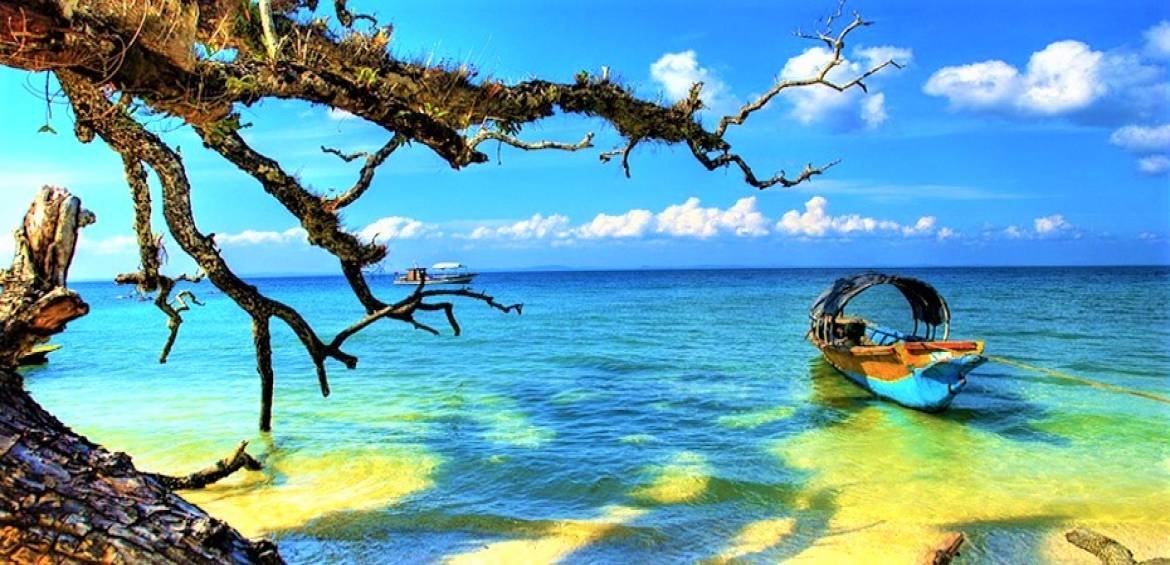
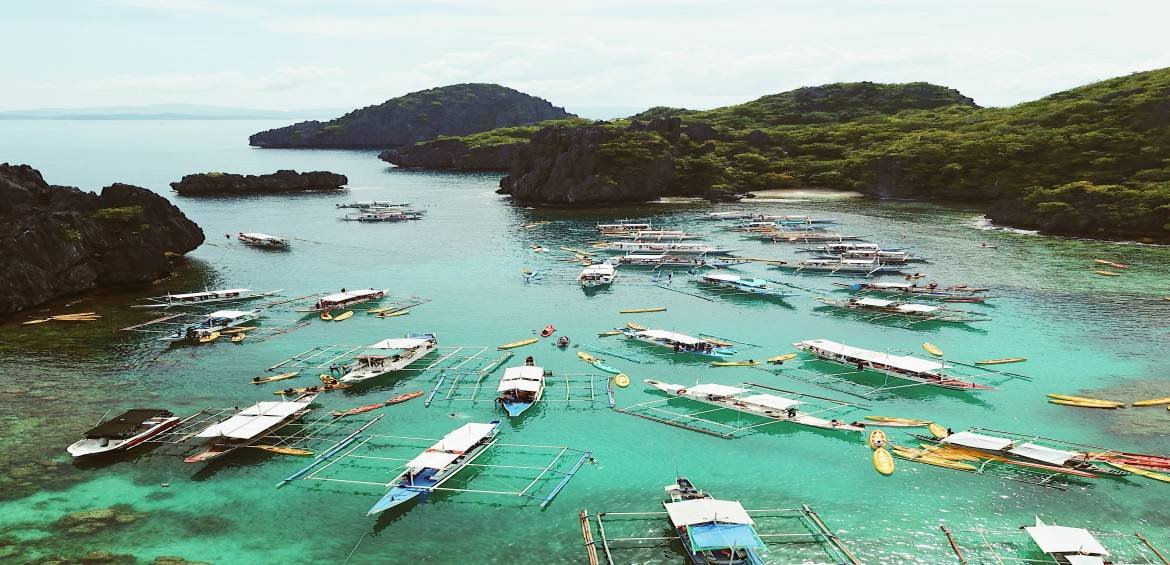
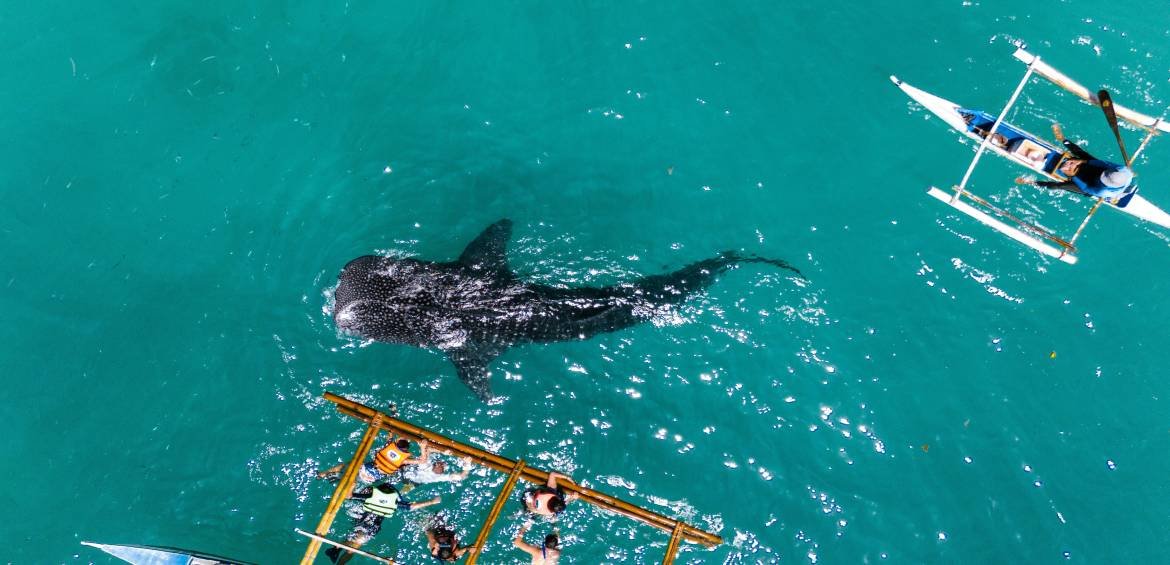
Because the country is split into thousands of islands, island hopping is the definitive way to experience the Philippines. Typically done via traditional wooden outrigger boats called bancas, these tours take you through surreal, postcard-perfect environments.
El Nido, Palawan: The crown jewel of island hopping. Categorized into Tours A, B, C, and D, you’ll glide through hidden lagoons, towering limestone cliffs, and secret beaches.
Coron, Palawan: Famed for its sheer cliffs, crystal-clear inland lakes (like Kayangan Lake), and exceptional diving over well-preserved WWII Japanese shipwrecks.
Siargao: Beyond being the surf capital, hopping to Naked Island, Daku Island, and Guyam Island offers pristine sandbars and laid-back palm-fringed shores.
Philippine cities are a chaotic yet fascinating mix of historical remnants, ultra-modern skyscrapers, mega-malls, and vibrant street life.
Metro Manila: The capital region is a sprawling metropolis. It bridges the gap between the past and the present. You can walk through centuries-old Spanish fortresses by morning and dine at upscale, cosmopolitan rooftop bars in Bonifacio Global City (BGC) or Makati by night.
Cebu City: Known as the "Queen City of the South," it is the oldest city in the Philippines. It acts as a massive commercial hub but retains a highly accessible coastal and mountainous charm.
Philippines Nightlife
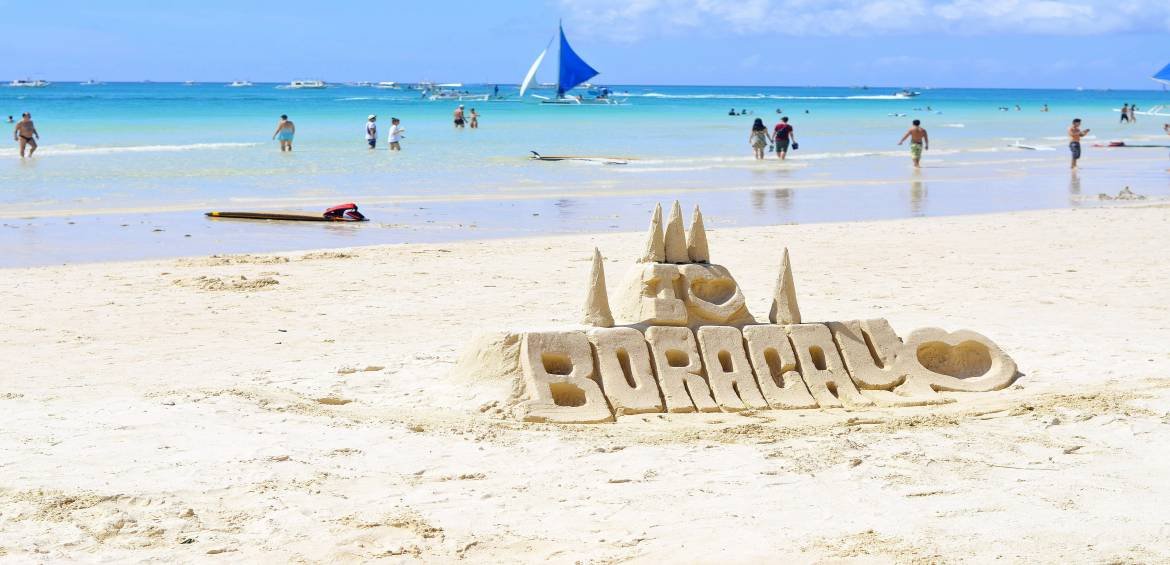
Boracay: Famous for having one of the best beachfront party scenes in Asia. As night falls, White Beach comes alive with fire dancers, live reggae bands, pub crawls, and open-air clubs right on the sand.
Manila (BGC & Makati): The epicenter for upscale clubbing. Areas like BGC host high-end nightclubs, speakeasies, and rooftop lounges featuring international DJs.
Siargao: Known for its community-centric "jungle parties". The venues rotate each night of the week, creating a highly social, friendly vibe where locals and travelers mingle seamlessly.